



Choose the outdoor cooking location before Thanksgiving guests arrive. A convenient spot beside the patio door may place a fryer or grill beneath the roof edge. The U.S. Fire Administration's turkey-fryer guidance calls for a sturdy, level surface at least 10 feet from the home and outside the area beneath roof eaves.
For grills, USFA advises keeping them well away from siding and deck railings, clear of eaves and overhanging branches. It also says not to store or use a grill on a porch or balcony. Follow the appliance's instructions as well as the applicable fire-safety guidance when choosing a location.
With Thanksgiving on Thursday, November 26, 2026, the useful preparation happens before the holiday: pick a suitable location, decide how people will move around it, and choose another meal plan if the outdoor setup will not work.
Look above the spot, then look around it
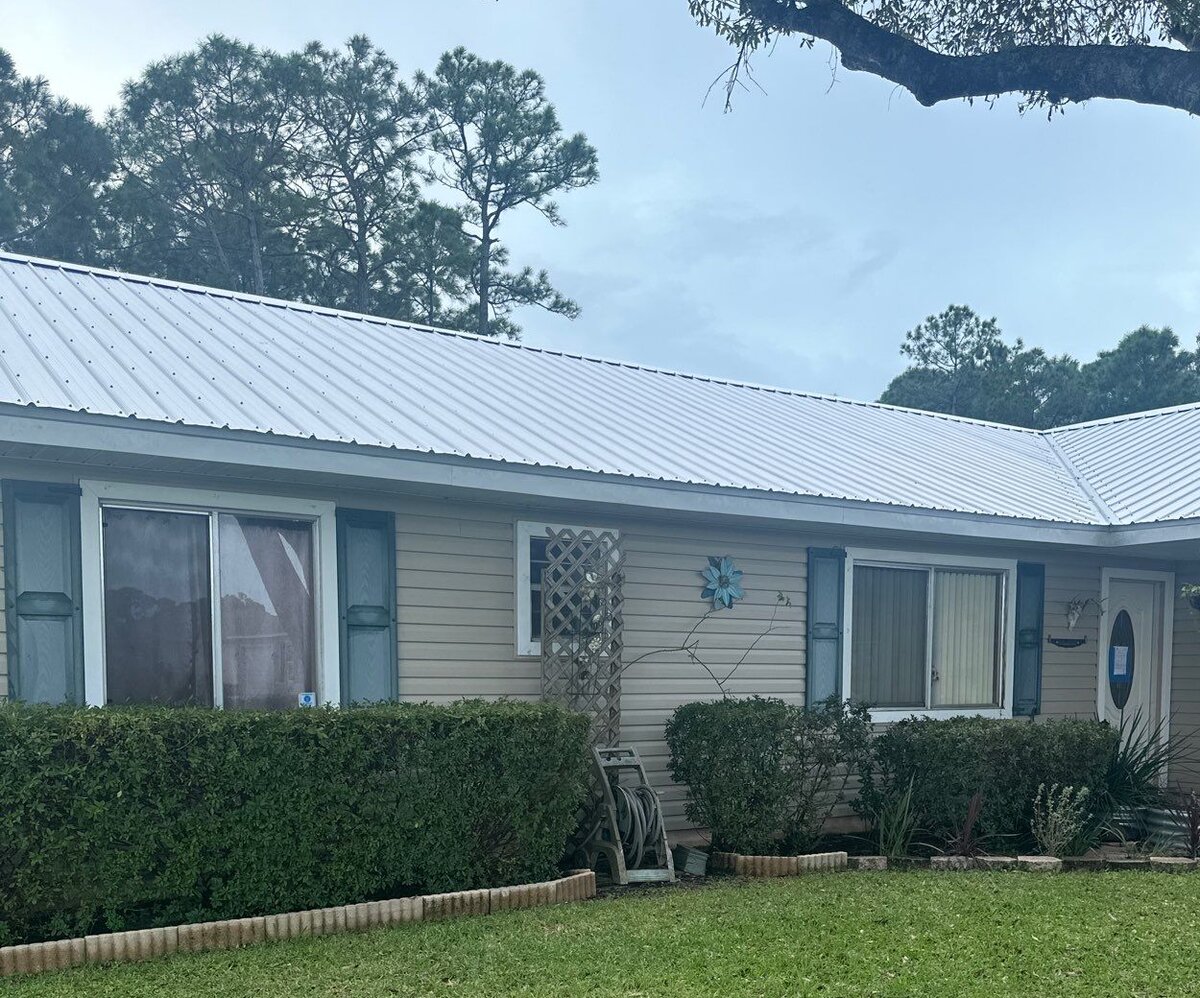
Evaluate the proposed location from the ground in daylight. Look at the roof overhang, any patio cover, nearby branches, and the walls around the space. An open side does not remove the roof overhead. A covered lanai remains a place with a covering above the cooking area.
Check the location against the guidance for the equipment you intend to use. Do not transfer a distance for one type of appliance to a different appliance or use a general rule to override its instructions. If those instructions are missing, obtain them before committing to the setup.
Consider the whole event layout. The bare patio you see today may hold folding tables, chairs, coolers, decorations, and a serving line on Thanksgiving. Choose the cooking area with those items accounted for, so someone does not fill the open space later because it appears unused.
If you are visiting another person's home, ask the host to settle the location in advance. Bringing an appliance does not establish that the yard has a suitable place for it.
Give the cooking area a clear boundary
Once you have identified a location that meets the relevant guidance, decide how guests will move between the house, yard, and food tables. Avoid routing the only path through the cooking area. People carrying plates or watching children may follow the most obvious route unless the layout gives them another one.
USFA advises keeping children and pets at least three feet from a turkey fryer. Plan for supervision and separation before the appliance is in use. A verbal warning given once at the beginning of a busy gathering is a weak substitute for a layout that keeps the activity away from the equipment.
Tell other adults where the cooking area is and which spaces must stay clear. Put the serving table somewhere that does not encourage guests to gather beside the appliance. Give coats, bags, and empty boxes an assigned place instead of allowing them to accumulate around the setup.
The person using the equipment should have authority to stop if the area no longer matches the plan. Guests can move a table or wait for a meal. The appliance should not be moved while operating to make room for them.
Choose a weather alternative before the day
Plan what you will do if conditions make outdoor cooking unsuitable. Do this while there is time to change the meal, use an appropriate indoor cooking method, or obtain prepared food. November does not guarantee a dry afternoon in Central Florida.
Moving the equipment beneath the eaves or into a covered porch is not an acceptable substitute for a suitable outdoor location. If the only available space fails the appliance instructions or fire-safety guidance, choose a different plan.
Avoid building the entire meal around an outdoor setup that no one has checked. A backup can be ordinary and specific: a different dish, an indoor appliance used according to its instructions, or food arranged in advance. Decide who makes that change and when.
For a hypothetical family gathering, the host might set a decision time the evening before. If the outdoor plan cannot be used, one person changes the menu and tells the guests. That is easier to manage than improvising beside a hot appliance while people wait to eat.
Use a layout card for the household
Write a short card or phone note for the adults helping with the event. It should contain decisions about the property and people, rather than cooking instructions:
- Equipment: the appliance being used and where its instructions are kept.
- Location: the agreed spot, checked for the required clearance and overhead conditions.
- People: the person supervising the equipment and the adults responsible for keeping children and pets away.
- Routes: the path between the house and serving area, with cooking space kept clear.
- Changes: the person who can stop the outdoor plan and the meal alternative.
Walk through that plan before decorating or setting up tables. If a helper has a different idea for the arrangement, resolve it while everything is cold and easy to move.
This note also helps if the person who usually hosts hands the job to another family member. The new helper can see why a particular spot was selected instead of moving equipment closer to the door for convenience.
Treat heat damage as a separate repair question
If a fire occurs, get people away and contact emergency services. Roof inspection comes after the emergency has been handled and the area has been cleared for access. Do not climb up to check the eaves or touch damaged electrical items.
Once it is safe, keep the incident location clear and photograph visible changes from the ground. Record which part of the home was exposed and provide any information from the responding professionals to the contractor assessing the damage. Avoid cleaning or painting over affected areas before the appropriate assessment.
For a roof edge or covering that may have been exposed to heat after the immediate emergency is resolved, contact Pinnacle Roofing Group for a roofing assessment. Explain what happened so the roofer can discuss the scope of the visit and any additional professionals the property may need.
Related reading: Reading an estimate · Pricing and options · Roof replacement